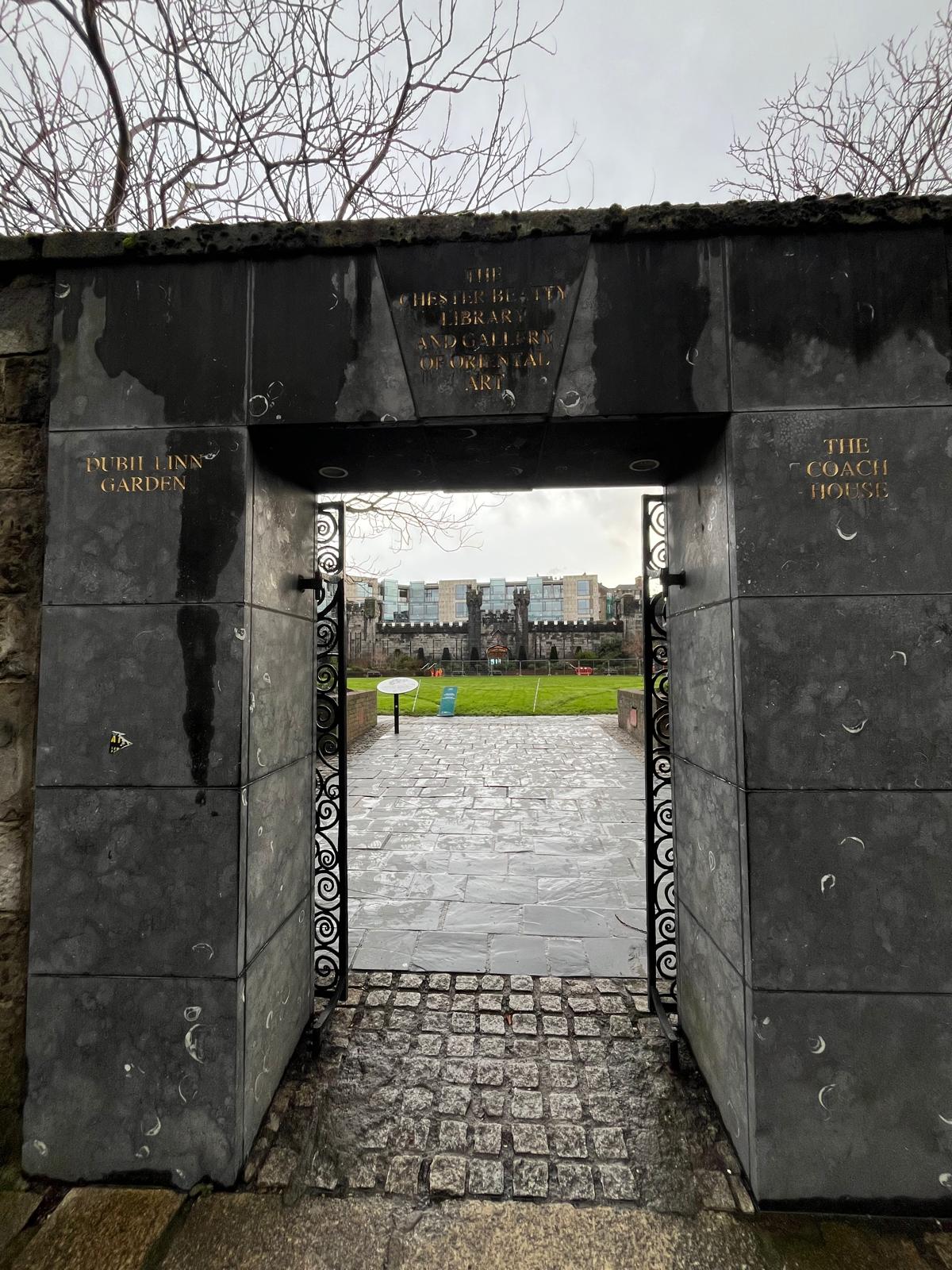
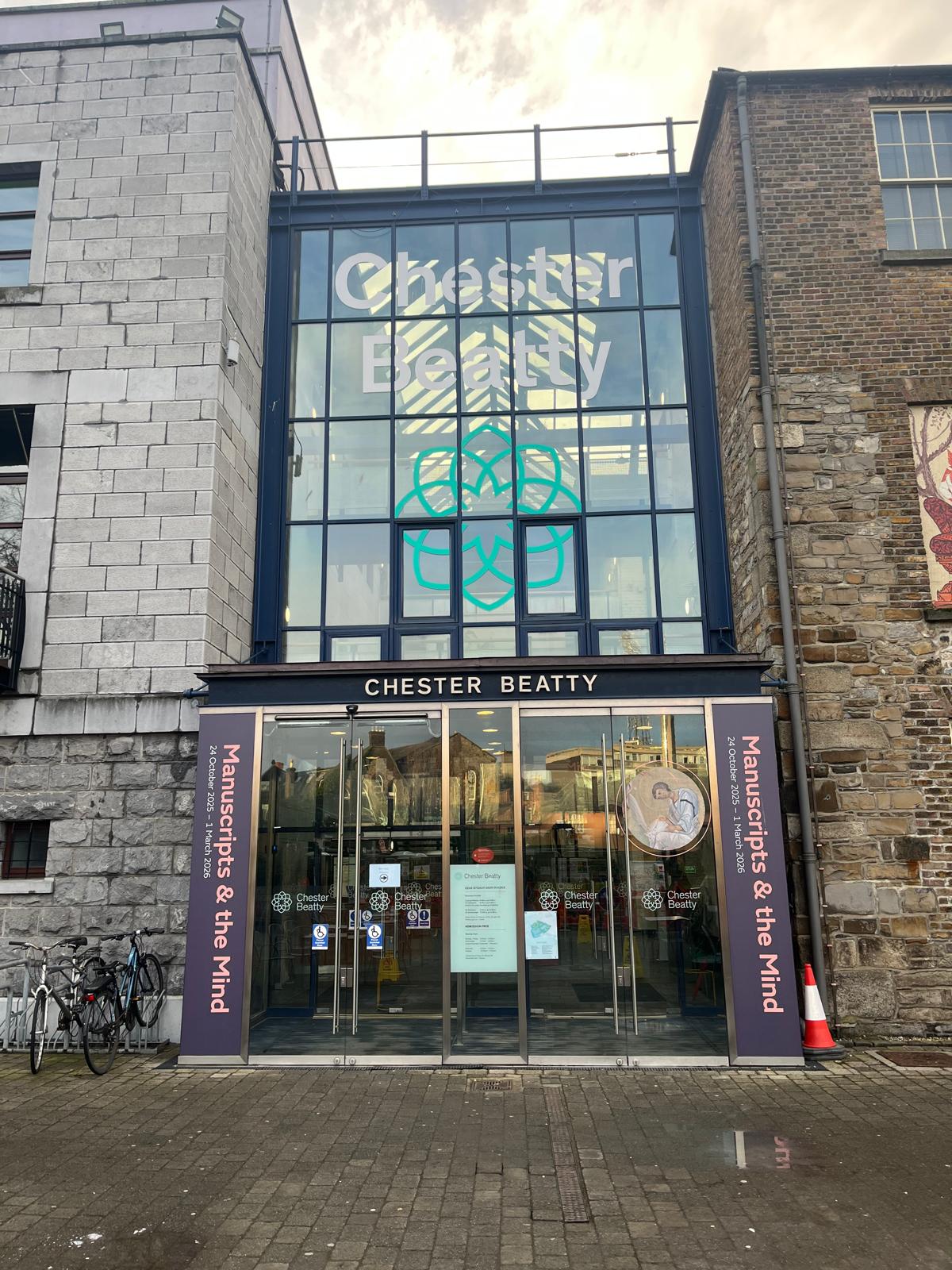
The Chester Beatty Library is located within the Dublin Castle complex, in a central and strategic position, easily reachable on foot from Dublin’s main tourist attractions such as Temple Bar, Grafton Street and Christ Church Cathedral.
The area is well served by public transport and access to the library is simple and clearly signposted, making it a convenient destination.
It was created with the aim of making a priceless artistic and literary heritage accessible to the public, so they created a place of preservation and also a space for dialogue between different cultures, religions and civilizations.
The first floor is divided in two rooms, one is dedicated to the Arts of the Book Gallery and is the most successful from an exhibition point of view. It’s divided in 3 sections: on the right we can find East Asia, in the middle the Islam and on the left Europe.
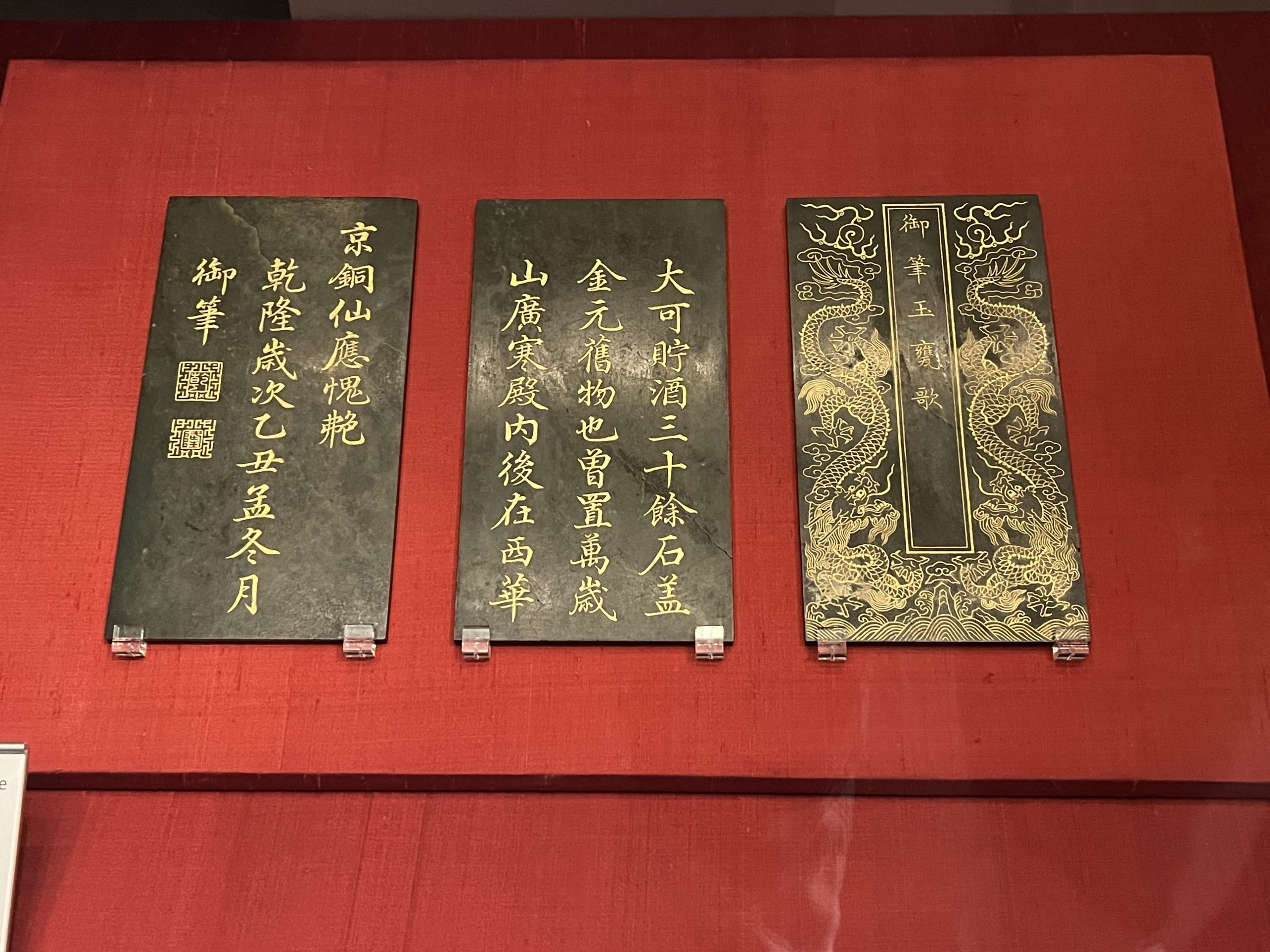
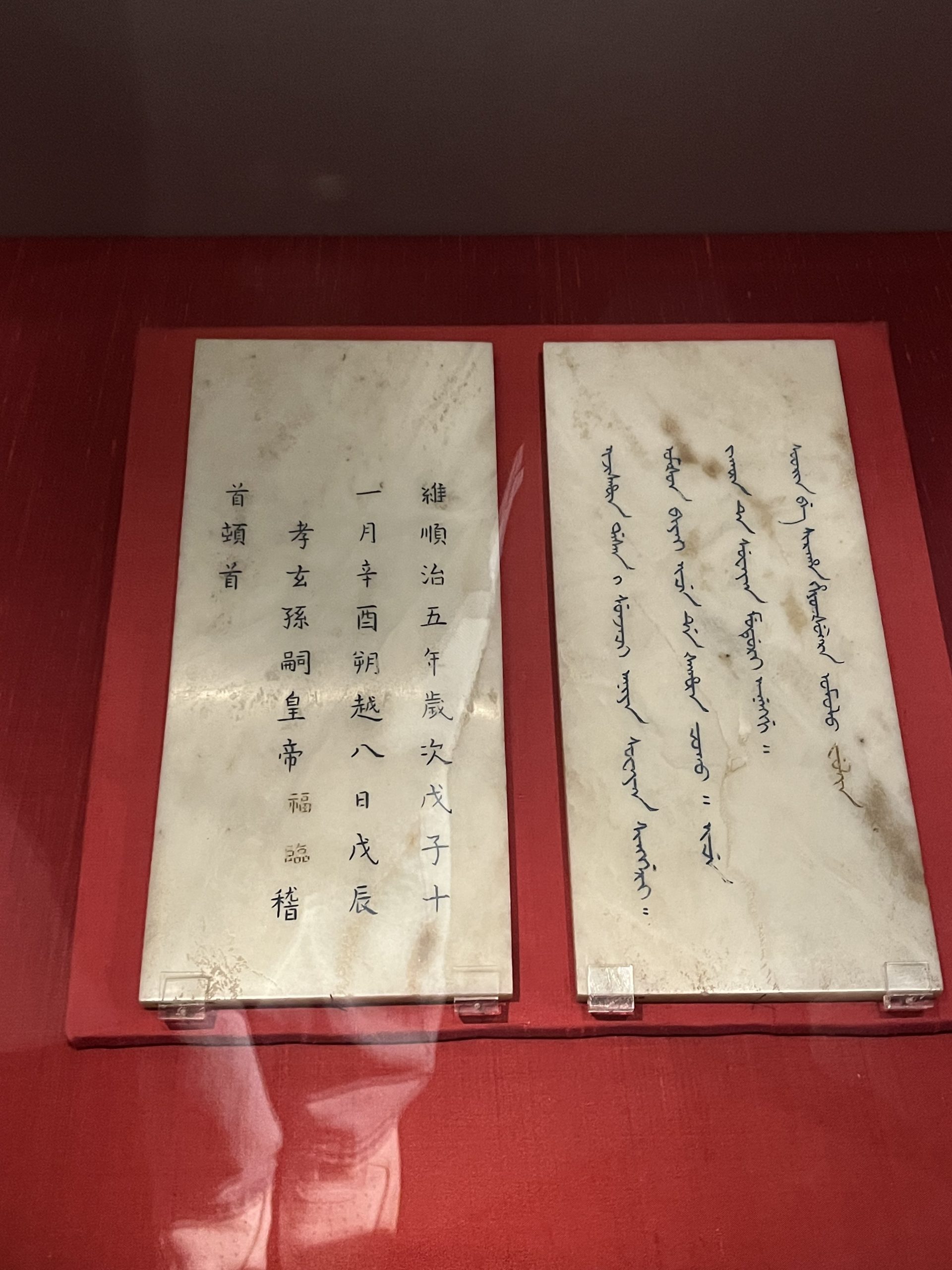
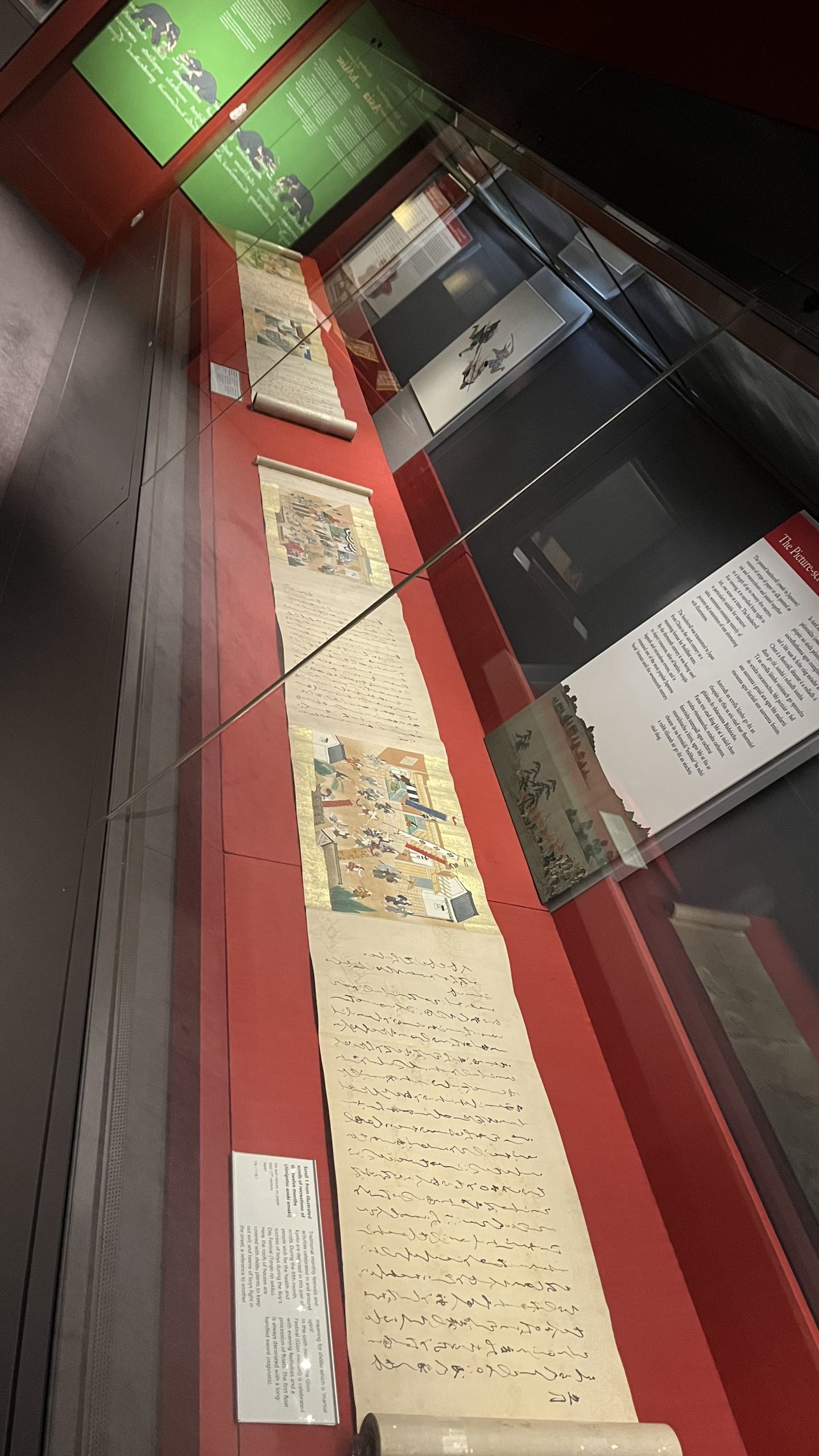
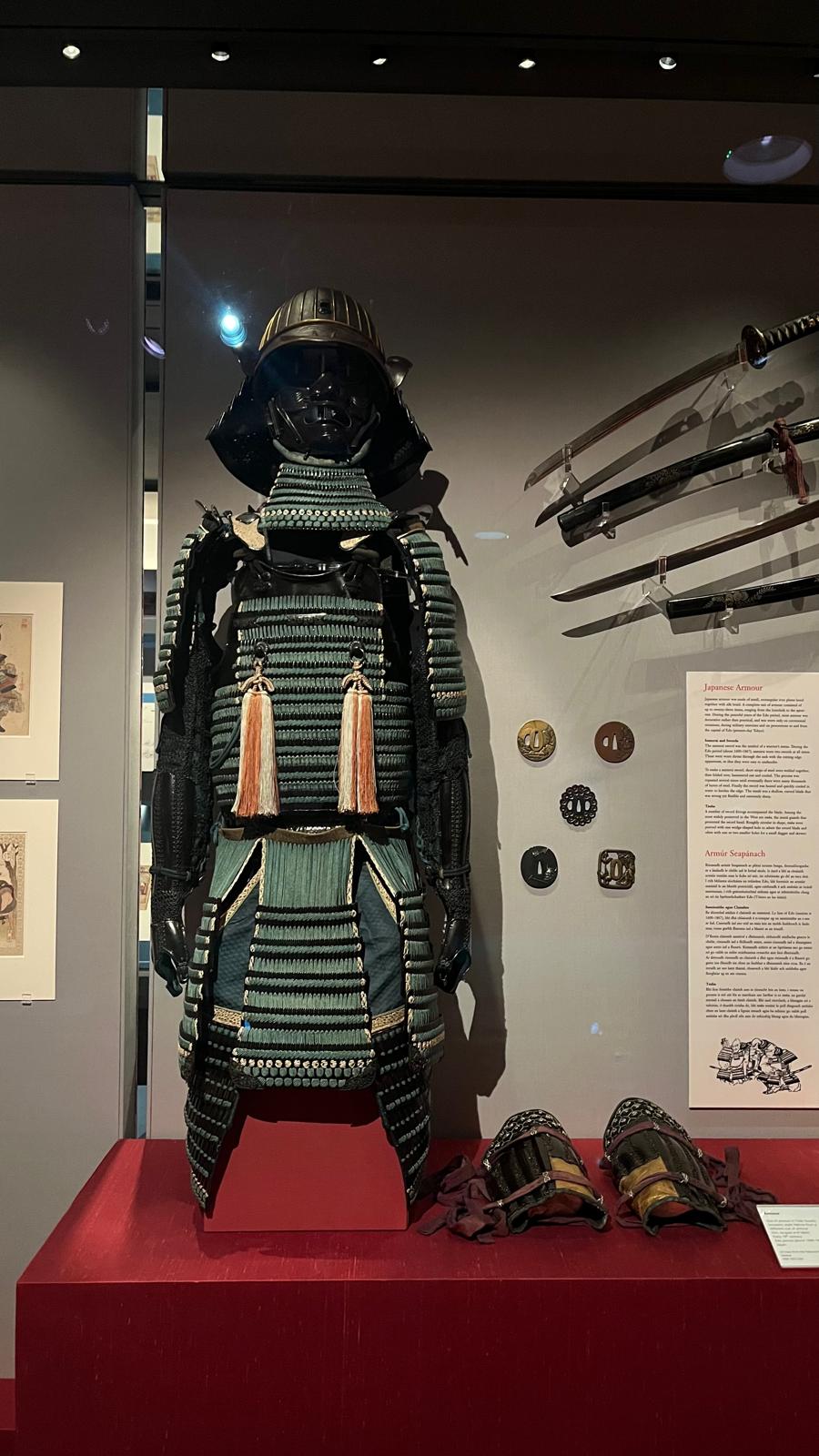
The East Asia section effectively connects dynastic China, where the emperor represented the political and cultural summit of society, with Japan during the Edo period under the Tokugawa shoguns, a time of long peace that encouraged artistic development.
The samurai is presented not only as a warrior, but also as a cultivated man, linked to bushidō and traditional arts, for us getting to know the history of how the samurai lived and served the country as warriors for hundreds of years was really fascinating.
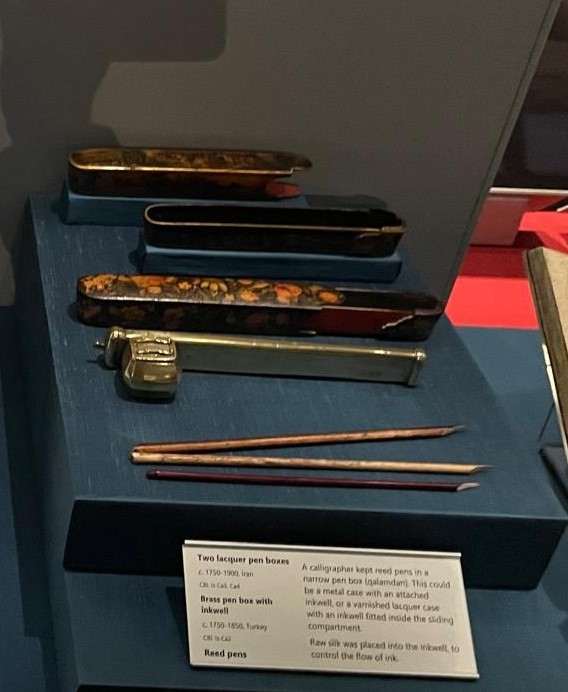
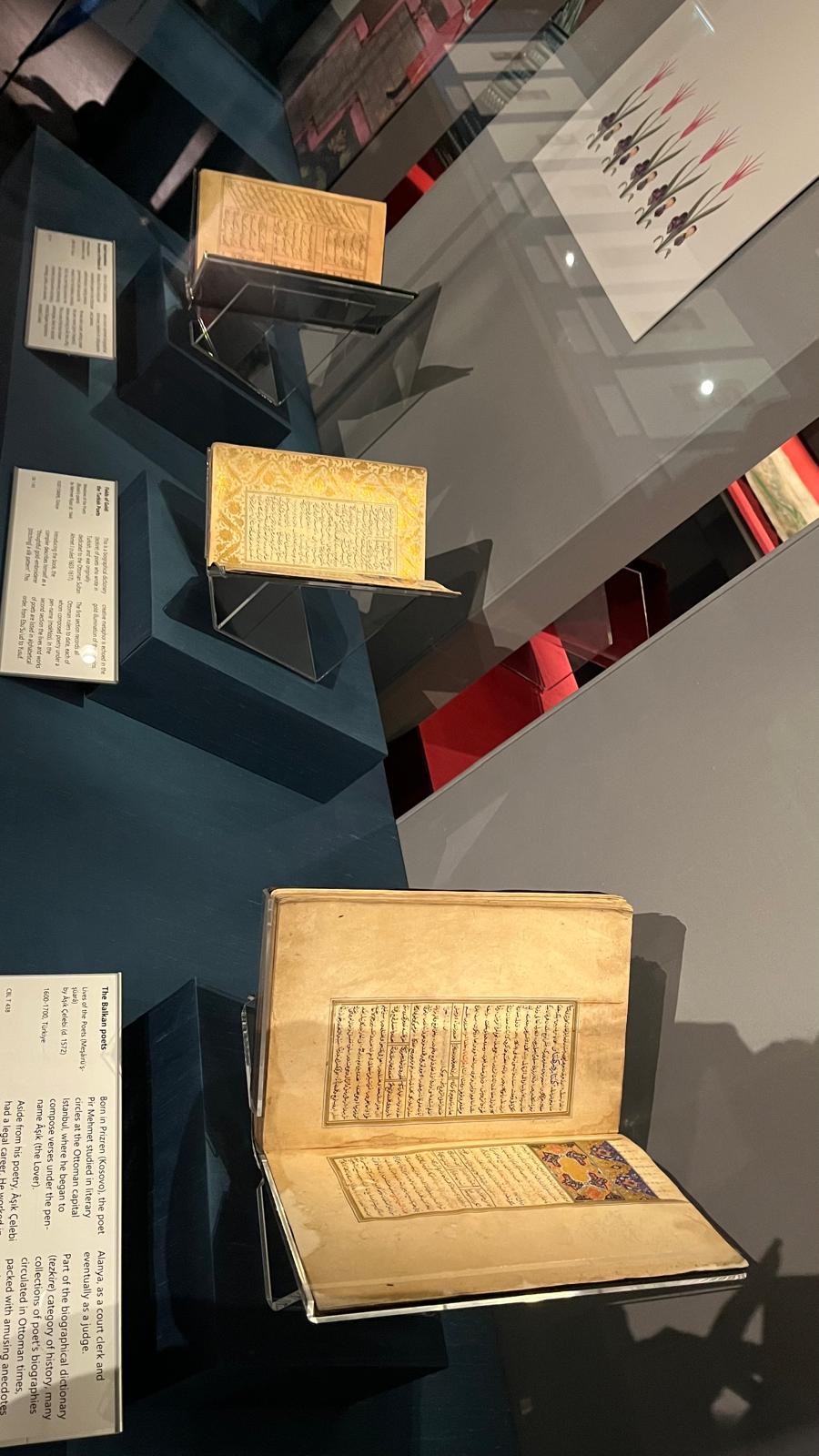
The central section is dedicated to Islamic manuscripts and Arabic calligraphy, which is enhanced both as an art form and as a means of transmitting sacred texts.
In fact, calligraphy is the most revered art in Islam because the Qur’an is believed to contain the exact words of God revealed to the Prophet Muhammad, so writing and copying the Qur’an is therefore considered a sacred act.
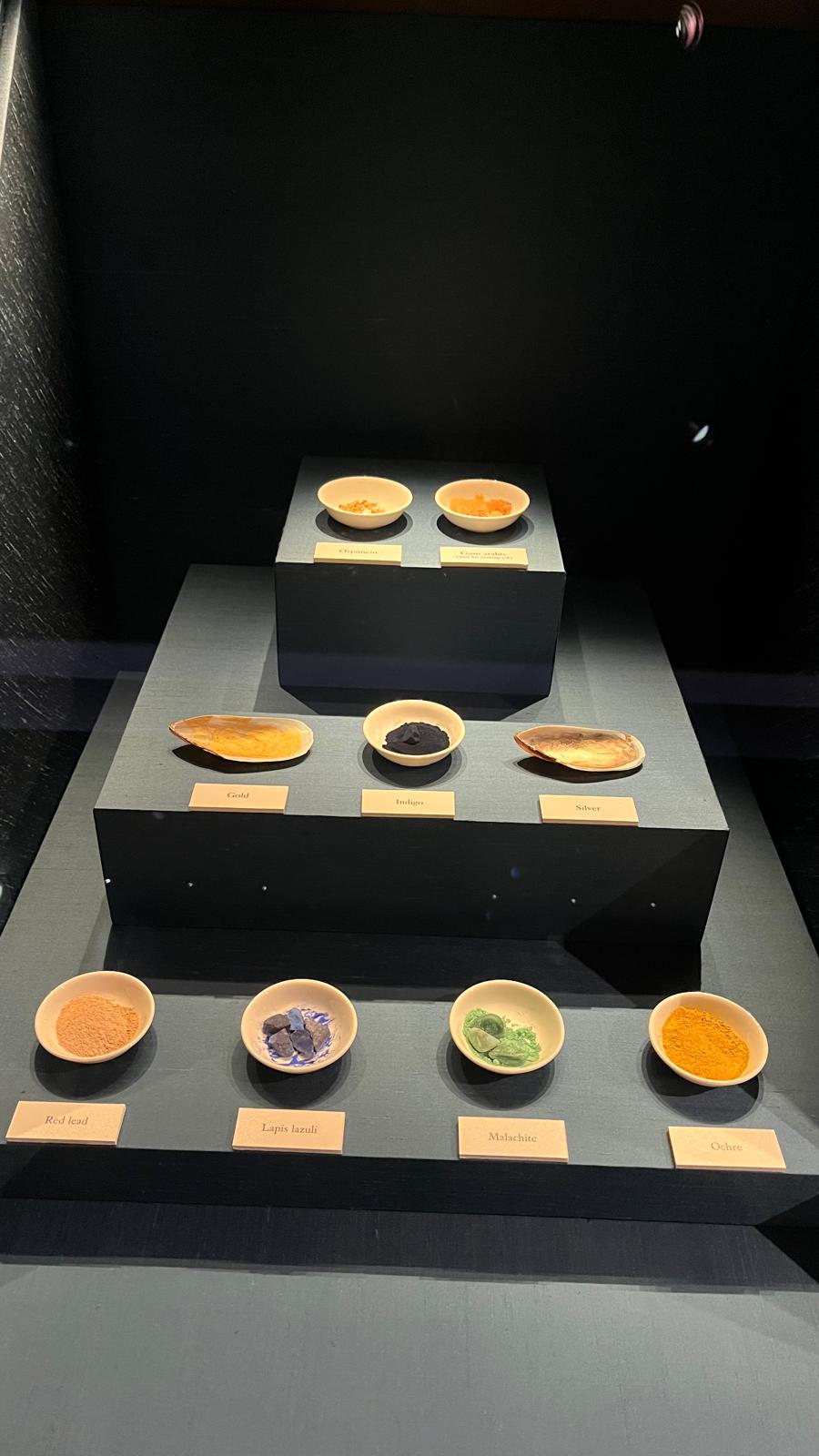
The calligrapher wrote seated on the floor, with a reed pen that they dipped into an ink made from a basic mixture of lamblack, gum arabic and vitriol, and other pigments.
The pigments used were of three types: mineral, organic and chemical compounds.
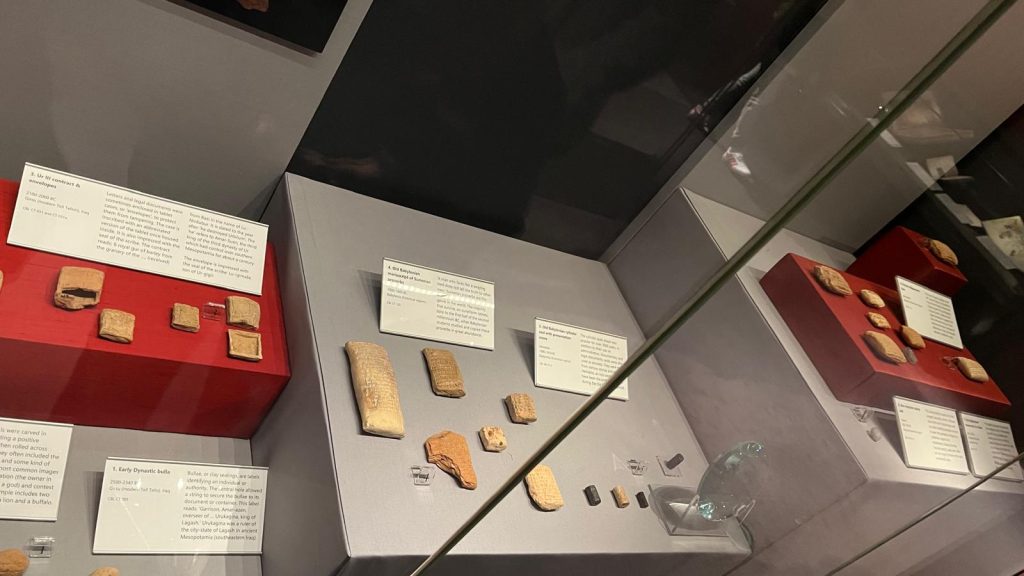
The European corner, with references to cuneiform writing and Egypt, creates an effective connection with the origins of writing. The earliest written documents were created in southern Mesopotamia at the end of the fourth millennium BC using a script known as cuneiform. Initially created for the Sumerian language, cuneiform developed from simple pictograms into a complex syllabic system by around 2600 BC. Written on durable clay tablets using a reed stylus, cuneiform texts have survived in large numbers and cover not only administration but also religion, science, law, and literature.
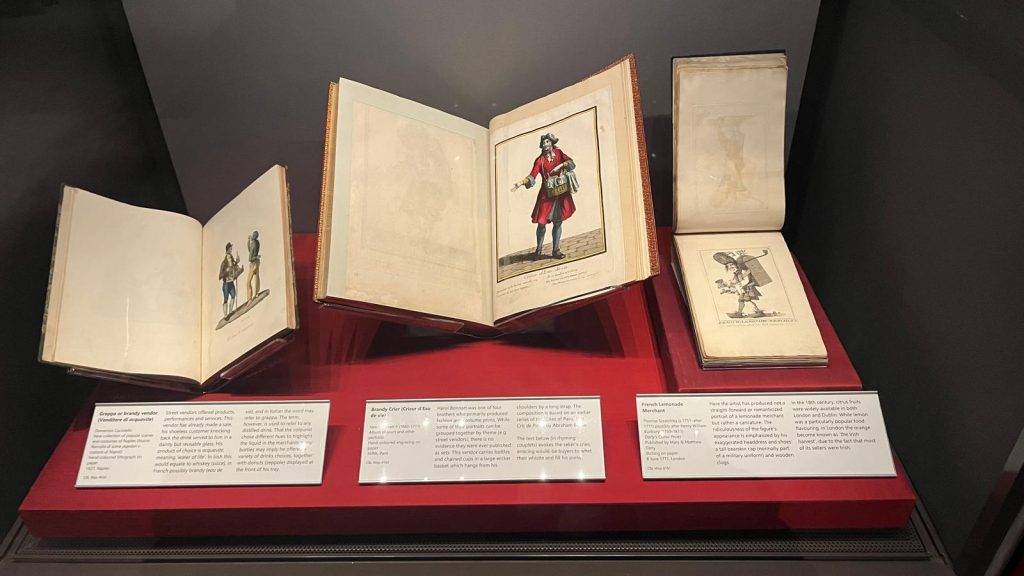
One of the highlights of this space is the importance of the street vendors, because they were a significant and visible part of the economy of European cities since they provided an important source of income thanks to their unique “cries” and gestures.
The other room on the first floor is a temporary exhibition called “Manuscripts & the Mind”, which is one of the most engaging parts of the visit, thanks to its interactive approach and its reflection on the role of paratexts, inscriptions and annotations in guiding the reader. Elements such as the Masorah and the catenae show how sacred texts were accompanied by complex systems of interpretation and protection of meaning.
We particularly liked this exhibition because, thanks to the interactive displays, the audio-records and a whiteboard where you can write your thoughts, we learnt while having fun.
The top floor, dedicated to Sacred Traditions, is instead the least engaging part of the museum because the exhibition appears visually dull.
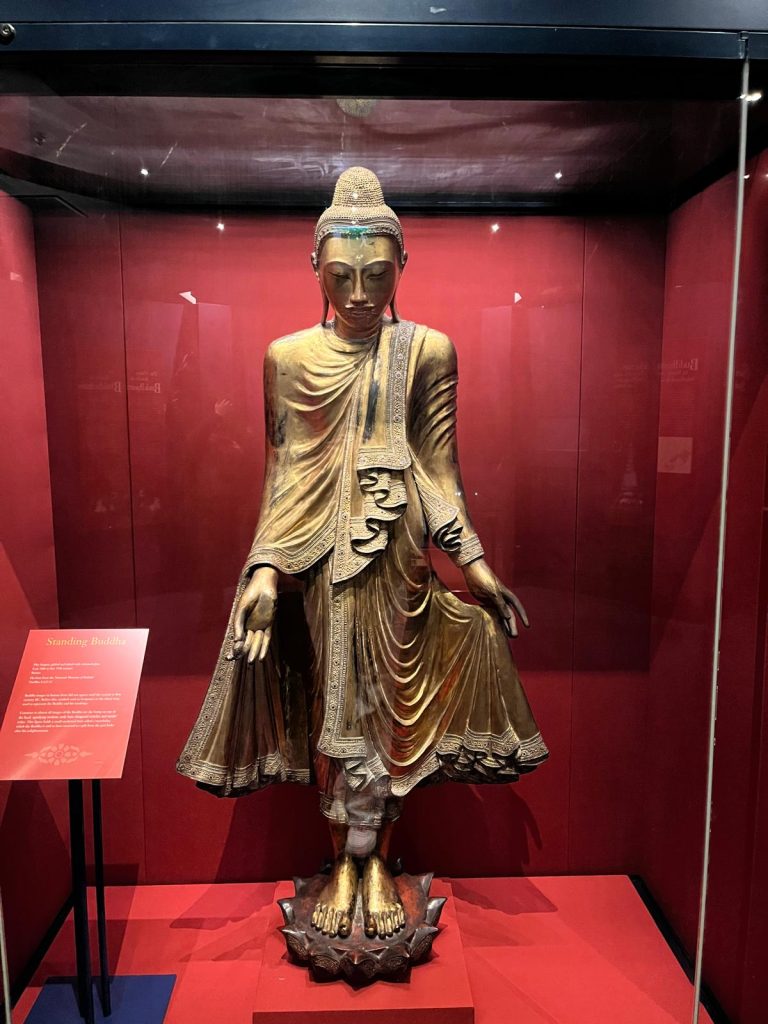
The division between Buddhism, Islam and Christianity is clear, but only the Buddhist section seems well organised and balanced, especially thanks to the presence of the Buddha statue, the explanation of the Three Jewels and the “cycle of birth, death and rebirth” which we enjoyed the most. This last term is known as “samsara” and it’s the law of Karma that keeps this endless cycle of life in motion.
The sections dedicated to Christianity and Islam, despite displaying very important manuscripts, appear vague, scattered and poorly enhanced, making it difficult to fully grasp their historical and religious depth.
Overall, the Chester Beatty Library is a culturally rich and accessible place, but with an exhibition route that is not always coherent. The building has great educational potential, which emerges mainly on the first floor, while the second floor would benefit from clearer storytelling and a more engaging exhibition design.
However, it’s unique because despite being a small place, it has a vast collection of manuscripts, rare books and art objects from cultures around the world enclosed in narrow space and a stone’s thrown from the city centre.
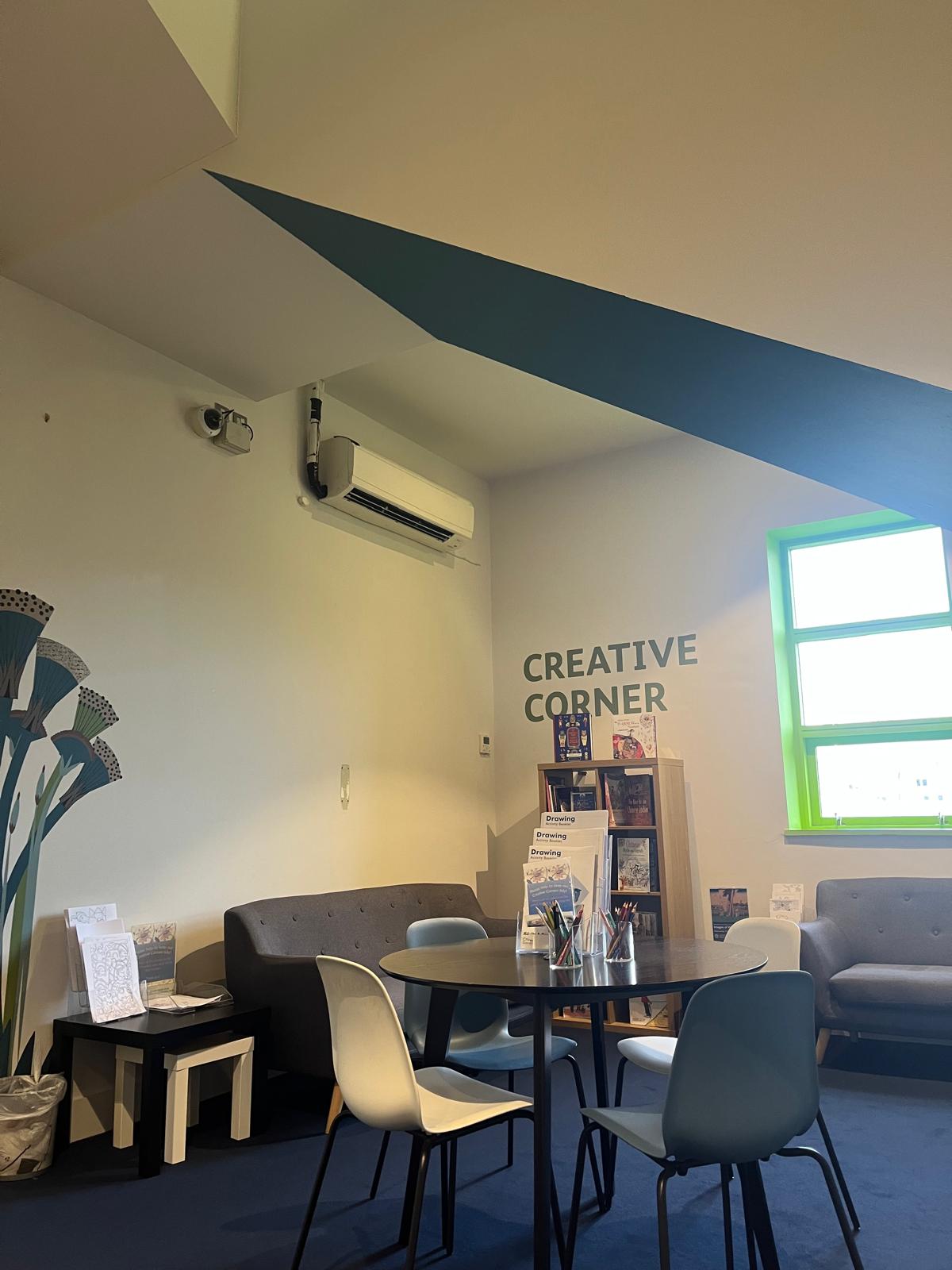
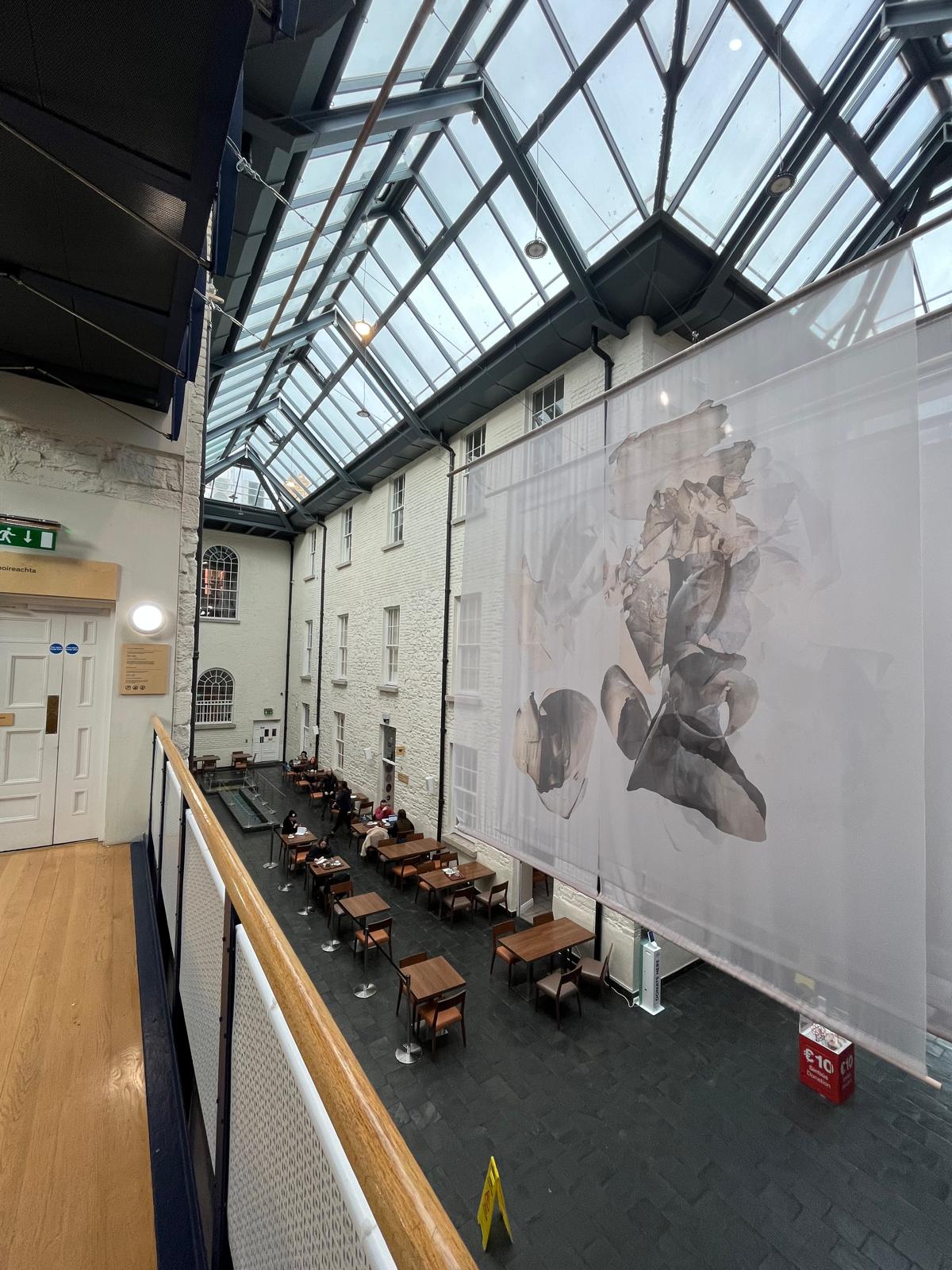
In addition to the exhibitions, the library also offers a children’s activity room, a rooftop garden, a café and a souvenir shop.